
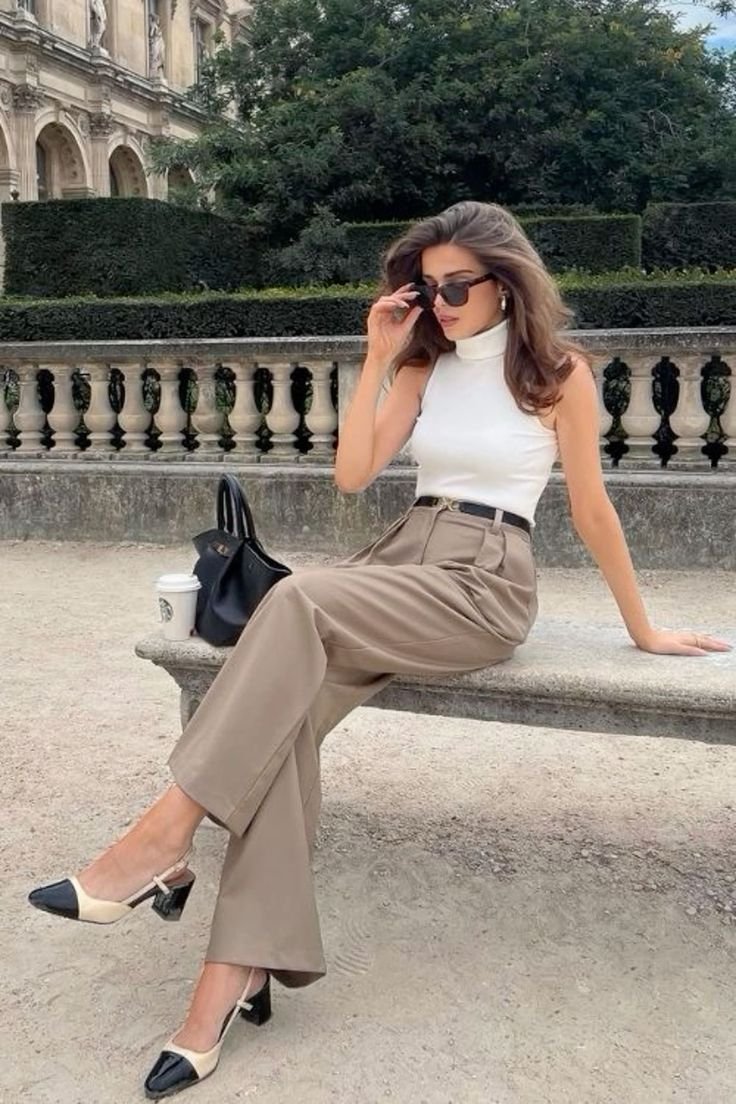
Fashion is more than just clothing — it’s a form of self-expression, creativity, and culture. It reflects who we are, what we believe in, and how society evolves. From traditional outfits to global trends, fashion plays a major role in shaping identity, confidence, and lifestyle. In today’s digital age, it has also become a powerful industry influencing economy, media, and even the environment.
🌍 The Evolution of Fashion
Fashion has evolved alongside human civilization. In ancient times, clothing was designed for protection and practicality. As societies grew, people began using fashion to represent their culture, class, and personality. Each era brought its own style — from the royal gowns of Europe to the colorful embroidery of South Asia.
In the 20th century, fashion became more diverse and inclusive. The rise of fashion icons like Coco Chanel, Yves Saint Laurent, and Alexander McQueen changed the way people saw clothing — as art, not just necessity. Today, social media platforms such as Instagram and TikTok have turned fashion into a fast-moving global trend where anyone can become an influencer.
👗 Fashion as a Form of Expression
Fashion allows people to communicate without words. What we wear often reflects our emotions, beliefs, and confidence. For example, bright colors may represent positivity and creativity, while formal attire conveys professionalism and discipline.
For youth, fashion is a way to establish individuality and stand out in society. It gives them a voice to express who they are — whether through modern streetwear, modest fashion, or traditional attire with a modern twist.
In places like Gilgit-Baltistan, young designers and artists are now blending cultural heritage with modern fashion trends. This not only promotes regional identity but also creates opportunities for local entrepreneurship.
💰 The Fashion Industry and Economy
The fashion industry is one of the largest economic sectors in the world. According to the Business of Fashion Report (2024), the global fashion market is worth over $1.7 trillion and continues to grow each year.
Fashion contributes significantly to employment, from textile workers and designers to photographers, stylists, and marketing experts.
In developing countries, fashion also supports local economies through handicrafts, embroidery, and textile production. Many rural women in Pakistan, India, and Bangladesh earn a livelihood through traditional embroidery and tailoring. Promoting ethical and sustainable fashion can therefore uplift communities and preserve cultural artistry.
📱 The Role of Social Media in Fashion
The rise of social media has completely changed how fashion is created, shared, and consumed. Platforms like Instagram, Pinterest, and YouTube allow fashion brands to reach millions of people instantly. Influencers, bloggers, and celebrities play a huge role in shaping trends.
However, this also creates pressure on individuals to constantly keep up with new looks, often leading to fast fashion — the quick production of cheap clothing to follow short-lived trends. While it makes fashion more affordable, fast fashion contributes to environmental pollution, textile waste, and unethical labor practices. Consumers today are becoming more aware of these issues and supporting sustainable fashion brands that use eco-friendly materials and fair labor.
🌿 Sustainable Fashion: The Future of Style
Sustainability has become one of the most important conversations in modern fashion. People are now asking questions like: Where was my clothing made? Who made it? What materials were used?
Eco-friendly designers are turning to natural fabrics such as cotton, hemp, and bamboo. Others recycle old garments into new styles — a movement called upcycling.
Sustainable fashion is not just about the environment; it’s also about ethics, quality, and responsibility. By choosing to buy fewer but better-quality clothes, we can reduce waste and protect our planet for future generations.
👠 Fashion and Cultural Identity
Fashion is deeply connected to culture and tradition. Every country has its own style that tells a story — from the Japanese kimono to the Pakistani shalwar kameez. In a globalized world, people now blend cultural styles, creating unique fusions.
For example, designers in Pakistan are mixing traditional embroidery with Western cuts, making outfits that are both modern and rooted in heritage. This fusion fashion celebrates diversity and promotes cross-cultural understanding.
💬 The Psychological Impact of Fashion
Fashion also influences how people feel about themselves. Wearing well-fitted, comfortable, and stylish clothes can boost confidence and mood. Psychologists refer to this as “enclothed cognition,” meaning our clothing affects our mindset.
For instance, professional attire can make someone feel more capable at work, while casual clothes can help people relax. Thus, fashion isn’t just about looking good — it’s about feeling good.
🌟 Conclusion
Fashion is an ever-changing language of culture, creativity, and confidence. It connects tradition with modernity, personal style with global trends, and art with business. While it brings color and diversity to life, fashion also reminds us to be responsible consumers.
By embracing sustainable and culturally inspired fashion, we can express ourselves beautifully — without harming people or the planet.
In the end, true fashion is not about following trends, but about wearing your personality with pride.
Leave a Reply